Preloader

Creative Ways to Work smart

List

01

Machine Learning

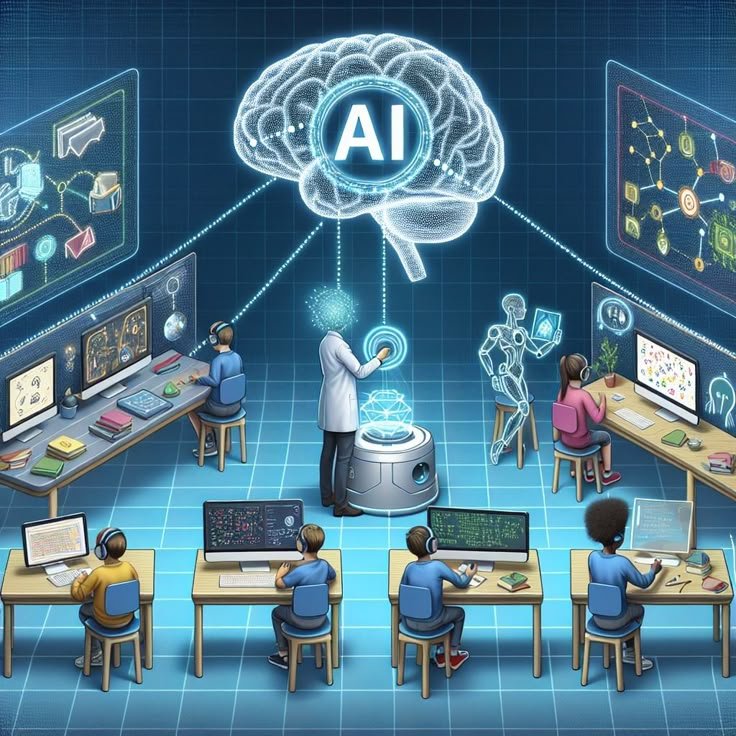
Machine Learning is a subset of AI that focuses on algorithms that allow computers to learn from and make predictions or decisions based on data. Rather than being explicitly programmed, ML systems improve over time as they process more information.
o Data Collection / Preprocessing: Gather relevant data from multiple sources. Clean and structure data for modeling.
o Model Training: Use algorithms to learn from data.
o Evaluation: Test accuracy and performance using test data.
o Deployment: Integrate the model into production environments.
02

Deep Learning

Deep Learning is a subset of Machine Learning that uses artificial neural networks to model and solve complex problems. It excels at recognizing patterns in large-scale, unstructured data like images, audio, and text.
Key architectures include:
CNNs (Convolutional Neural Networks): Specialized for image/video analysis through filters that detect edges, textures, and objects (used in facial recognition, medical imaging).
RNNs (Recurrent Neural Networks): Process sequential data (time-series, speech, text) with memory cells, though newer variants like LSTMs address vanishing gradients. Transformers: Revolutionized NLP with self-attention mechanisms (e.g., GPT, BERT), enabling parallel processing for translation, chatbots, and generative AI.

List
List

03

Generative AI

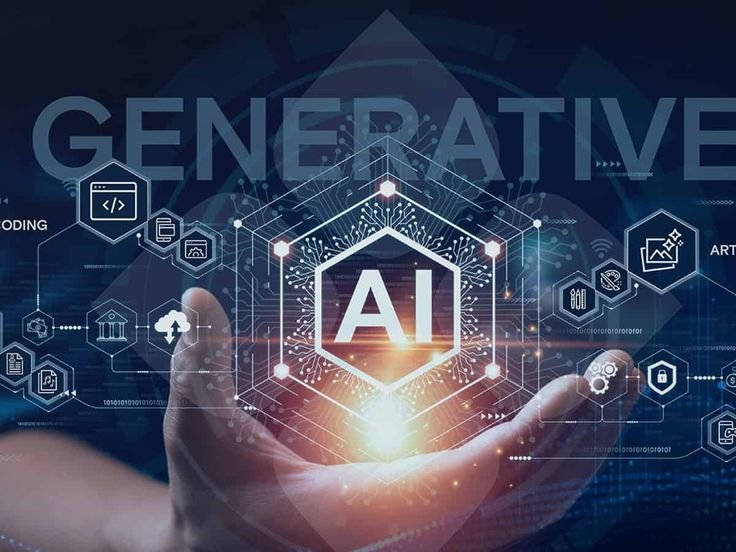
Generative AI refers to a class of artificial intelligence systems capable of creating new content—such as text, images, music, video, or code—by learning patterns from existing data. Unlike traditional AI that classifies or predicts, Generative AI produces new data that mimics real-world content.
Use Cases:
o Content creation (articles, blogs, social media posts)
o Image & video generation
o Code generation
o Product design & prototyping

04

Agentic AI

Agentic AI refers to AI systems that act autonomously with the capacity to set goals, make decisions, plan actions, and execute tasks over time. These agents behave more like human collaborators than simple tools, functioning with a level of independence and adaptability.

List

Creative Ways to Work smart

List
CyberEthiGuard

SecuriEthics: Guarding Trust in Tech.

Protecting systems, data, and users from threats—ensuring trust in every interaction.

01

AI Governance & Risk Management

AI Governance & Risk Management establishes frameworks to ensure AI systems are developed and deployed responsibly. It addresses risks like bias and security vulnerabilities while ensuring compliance with regulations and ethical standards. By implementing structured oversight and accountability measures, organizations can mitigate potential harms and build trust in AI technologies.

02

Model Bias and Fairness

This section highlights our commitment to developing AI systems that avoid discrimination and ensure equitable results for all users. We employ advanced techniques to identify and reduce biases in training data, algorithms, and decision-making processes. By continuously monitoring and refining our models, we strive to deliver AI solutions that are fair, transparent, and inclusive.
We prioritize fairness by actively detecting and mitigating bias in AI models to deliver ethical, inclusive, and balanced outcomes.

03

Data Privacy Regulations (GDPR, HIPAA)

1. Our AI solutions strictly adhere to global privacy regulations like GDPR and HIPAA, embedding compliance into every stage of development.
2. We employ privacy-by-design principles to ethically handle sensitive data while meeting all legal requirements for protection and transparency.
3. This commitment ensures user trust, mitigates legal risks, and enables responsible AI deployment across healthcare, finance, and other regulated sectors.

4

Residential ConstrucResponsible AI Guidelinestion

Our Responsible AI Guidelines ensure all development aligns with global ethical standards, prioritizing transparency and accountability. We design AI systems to create positive societal impact while proactively addressing risks like bias and misuse. This commitment reflects our dedication to trustworthy innovation that serves users and communities equitably.
Our AI development follows global Responsible AI principles — promoting transparency, accountability, and positive societal impact.